Endless Summer
Sort by publication date Sort by last update date

Published 2026-04-18 · Updated 2026-08-04
Assume we have a time machine and transport ourselves to the year 2100. Would we, with the benefit of decades of extra data, be able to use purely reduced-form econometric methods to estimate the overall economic damage from climate change? I say no. But I also say that we can make progress on understanding climate change impacts by being more syncretic in our methods and by leveraging knowledge from other (non-climate-related) areas of economics. (...more)
Are Current Climate Damage Estimates Too High Or Too Low
Published 2026-03-11 · Updated 2026-04-23
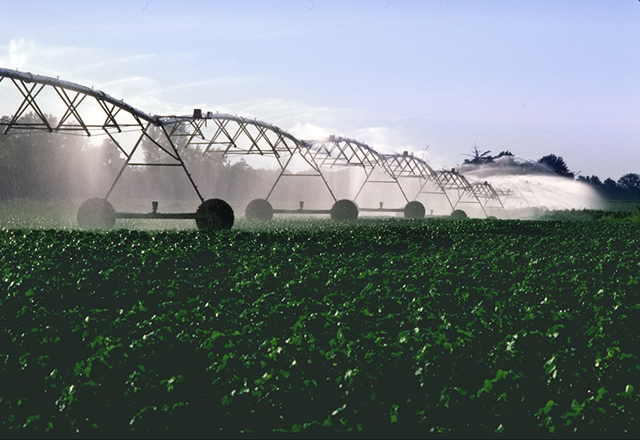
Lots of work on the economics of climate change has sought to estimate climate change damage. As long as these estimates have been produced, there has been a debate about whether we should expect actual damages to be larger or smaller than the estimates.[^1] A common argument that actual damages should be smaller comes from folks focused on *adaptation*---the actions people take to prepare for or adjust to a changing climate. (...more)
Progress In Reducing Child Mortality
Published 2025-09-26 · Updated 2026-01-23
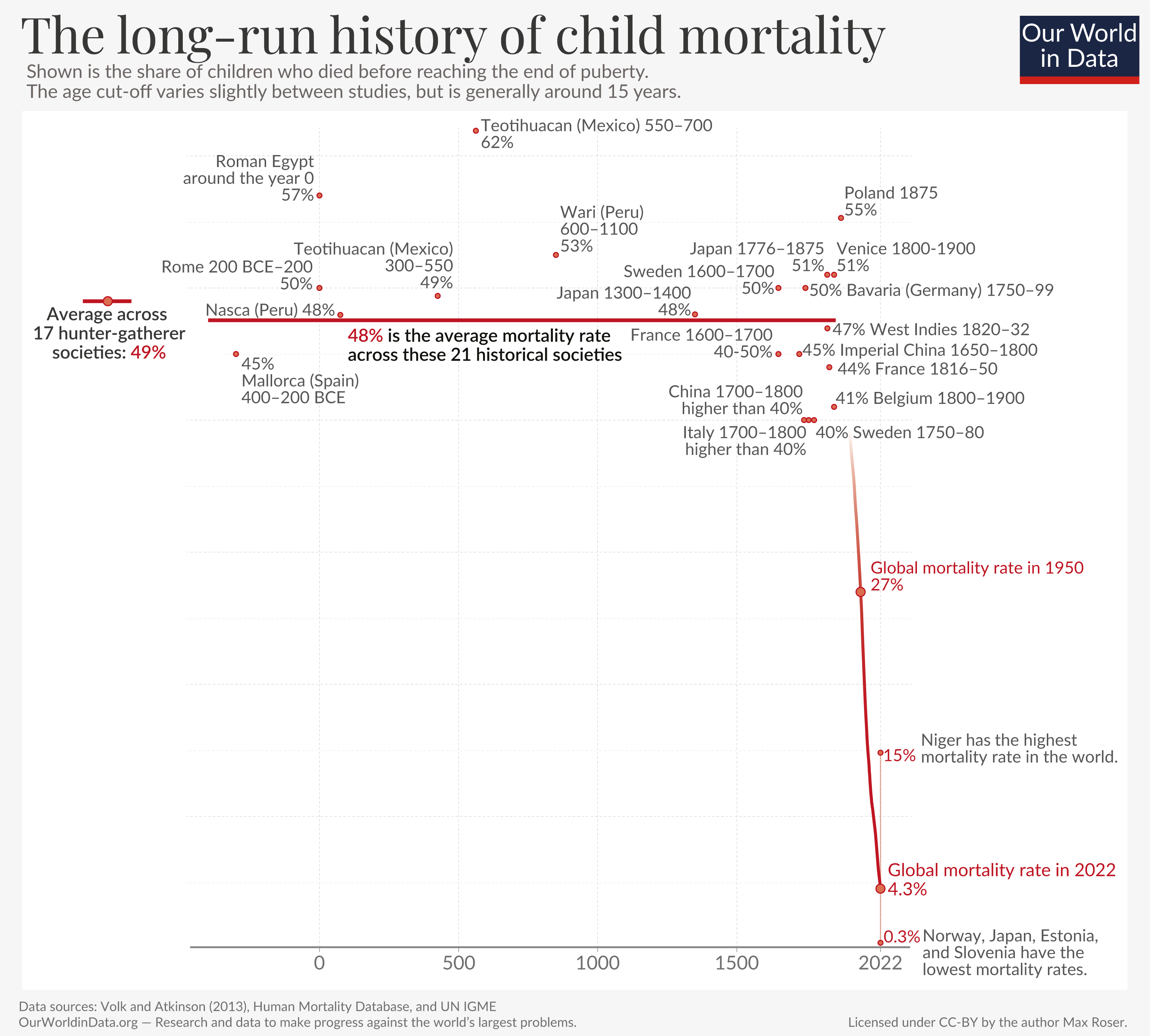
One of the clearest forms of human progress is the reduction in infant and child mortality. But I hadn't appreciated just how recent, widespread, and fast this progress has been until reading [this article from Our World in Data](https://ourworldindata.org/child-mortality-in-the-past). Consistently across the world, mortality for children under the age of 15 was 40 to 60% basically up until 1900. Then it dropped to 4. (...more)
Nordhaus Climate IAM Publication Timeline
Published 2025-08-08 · Updated 2026-04-21
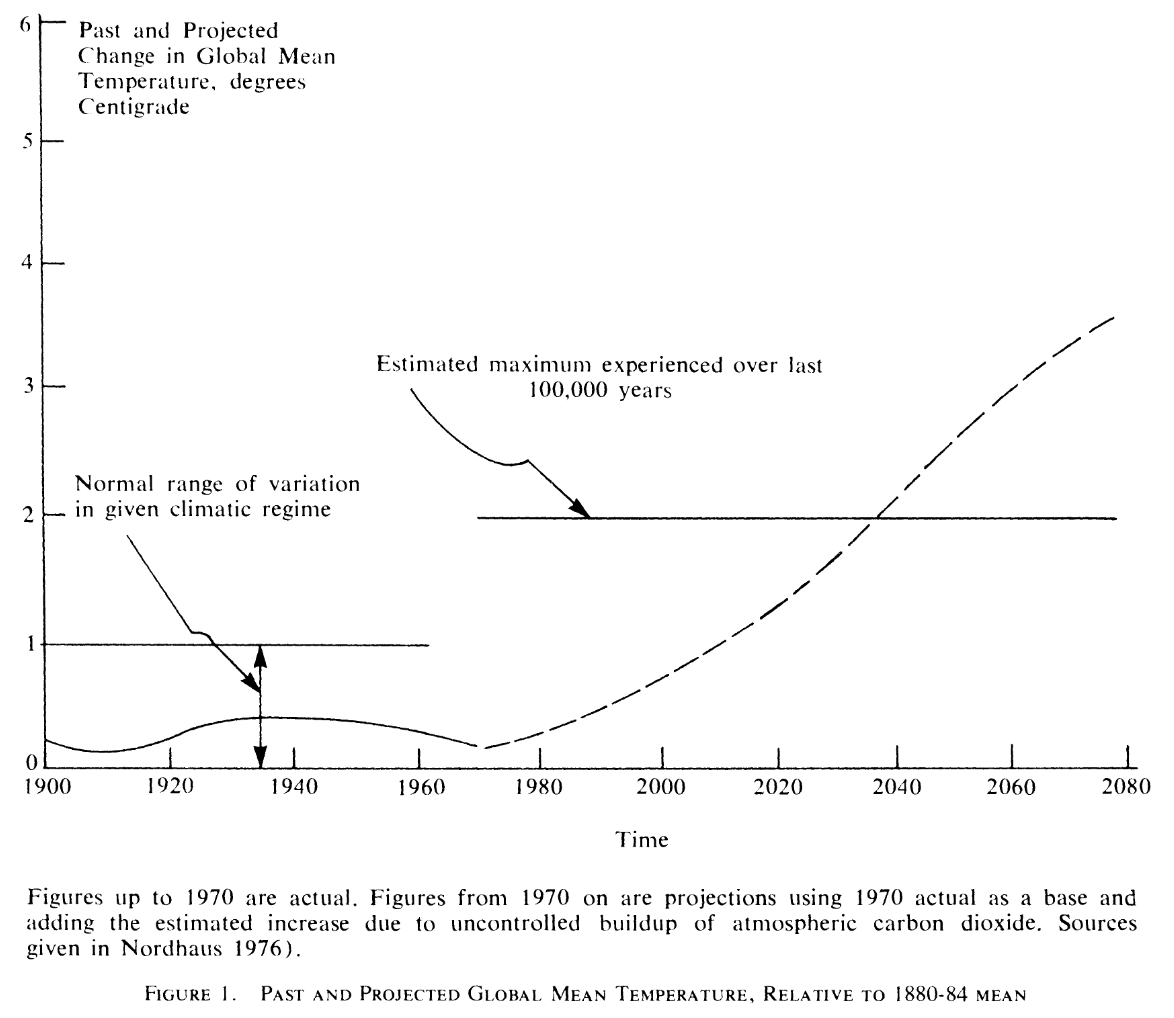
Working on a paper recently, I wanted to cite the original Nordhaus DICE paper. The list below is me trying to sort out the publication history. If you see errors, let me know! (...more)
Cluster At The County Warning Area Level
Published 2025-07-27 · Updated 2025-07-27
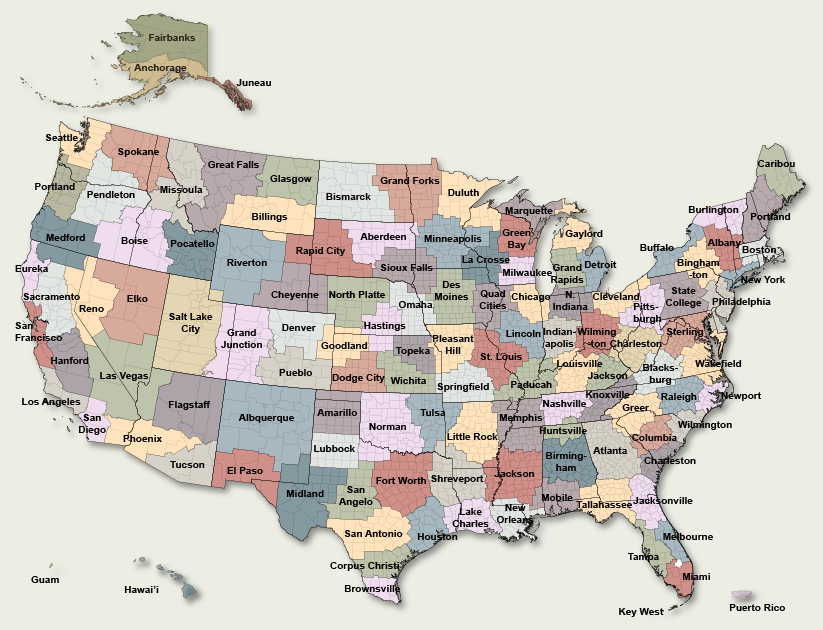
Running weather regressions and using clustered standard errors? I have a modest proposal to cluster at the National Weather Service (NWS) County Warning Area (CWA) level. (...more)
Temperature Autocorrelation And Forecasts
Published 2025-07-22 · Updated 2025-07-27
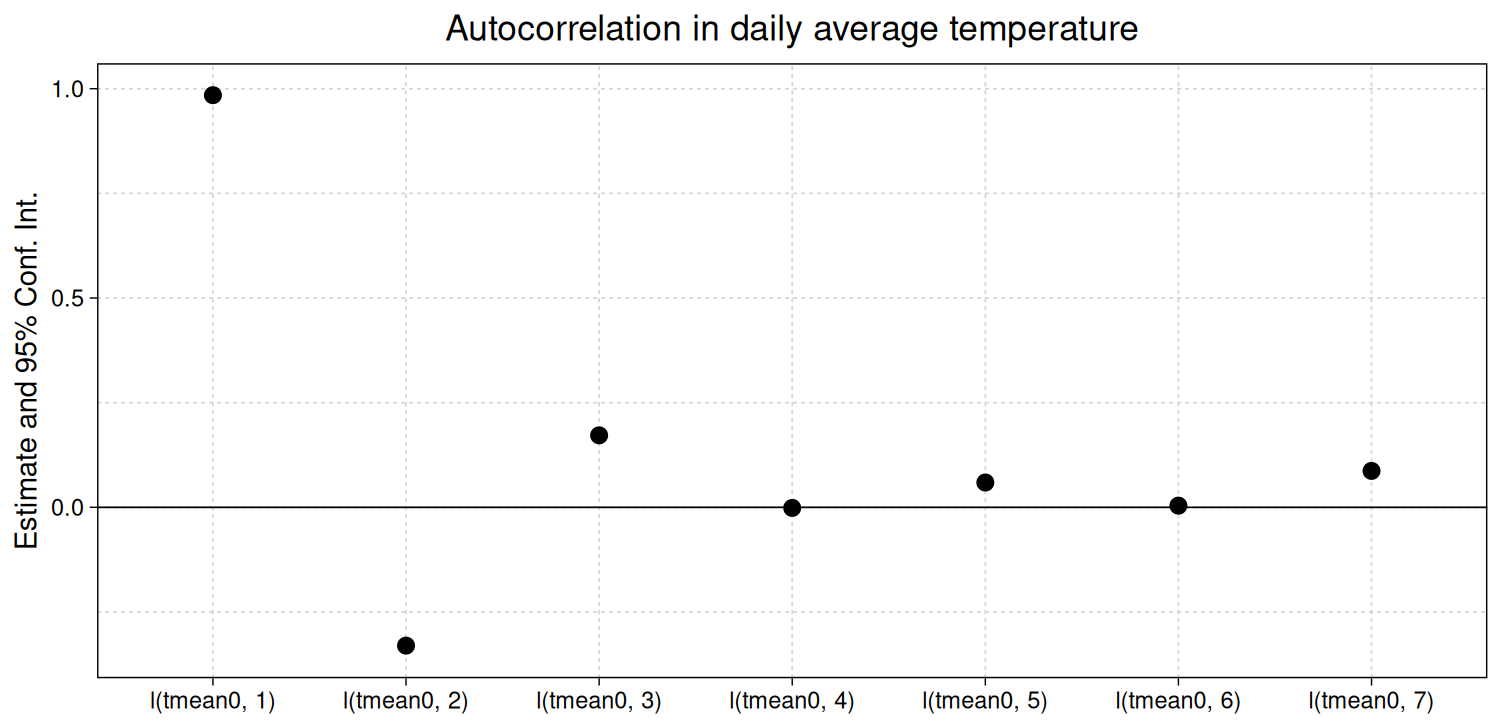
Temperature exhibits high temporal autocorrelation. Regressing daily, county average temperature in the continental U.S. on its own first lag yields a coefficient of 0.95, a t-stat of 730 (standard errors clustered at the National Weather Service County Warning Area level) and an R^2 of 0.9. Regressing temperature on its own first 7 lags yields the following coefficients. (...more)
Thoughts On Public Weather Forecasting
Published 2025-06-12 · Updated 2026-04-17
What is the economic justification for government production of weather forecasts? The question has gained particular relevance during the first and second Trump administrations, and this is my place to collect and clarify economic reasoning related to the question, focusing on "classic" economic rationales for public policy. (...more)
Published 2025-06-04 · Updated 2025-06-04
No better time than 2025 to create your own blog, as they say. I have a few posts lined up on topics of recent or enduring interest including thoughts on public versus private weather forecasting, the practice and philosophy of science, a planned recurring series on facts that surprise me, and a meta post about the creation of blog tools using AI assistance. Stay tuned! (...more)